


Unlocking Float Tank Benefits for Mind and Body
Ever felt so overwhelmed you just wanted to switch everything off? That's precisely what a float tank lets you do. The benefits are pretty incredible, ranging from deep mental relaxation and a serious drop in stress and anxiety, all the way to significant physical pain relief. By cutting out all the noise and sensory clutter, floating gives your nervous system a much-needed chance to reset, which often leads to better sleep, quicker muscle recovery, and a clearer head.
What Is a Float Tank and How Does It Work?
Picture this: you're floating effortlessly in total darkness and silence. There’s no gravity pulling on you, no sounds to process, no sights to see. You're just... there. That’s the core of the float tank experience. It's a simple idea with a powerful impact on both mind and body.
Sometimes called a sensory deprivation pod or an isolation tank, it's essentially a private, enclosed space built to cut out as much external stimulation as possible.
The magic comes from two key ingredients. First, the pod is filled with about 25 centimetres of water. But this isn't just any water—it's saturated with a huge amount of Epsom salt (magnesium sulphate), making it so dense you can't help but float.
Creating a Zero-Gravity Environment
The high salt concentration makes the water incredibly buoyant, letting you lie back and float on the surface without any effort at all. No tensing, no swimming, just pure weightlessness.
To take it a step further, the water is heated to match the temperature of your skin, around 34.5°C. This little detail is crucial. It blurs the sensation of where your body ends and the water begins, tricking your brain into feeling like you're suspended in empty space.
With sight, sound, and even the feeling of touch dialled way down, the float tank gives your mind and body a rare chance to unplug from the constant demands of the outside world.
This unique state is the foundation of what’s known as Restricted Environmental Stimulation Therapy (REST). It allows your nervous system, which is always on, always processing information, to finally take a break and shift into a state of deep, restorative calm.
This is where the real benefits kick in. This simple setup—floating in warm, salty water in the dark—is what paves the way for everything from soothing chronic pain to quieting a racing mind. It’s a true sanctuary from the relentless pace of modern life.
The Science of Deep Relaxation and Healing
How can simply floating in a dark, quiet pod have such a powerful effect on your mind and body? It seems almost too simple. The secret lies in what happens when you remove sensory input, giving your brain a rare chance to power down, reset, and heal.
At the heart of it all is a concept called Restricted Environmental Stimulation Therapy (REST). Imagine your brain is like a computer running dozens of programs all at once—constantly processing sights, sounds, temperature changes, and even the simple pull of gravity. A float tank systematically closes all those background programs, freeing up a massive amount of mental bandwidth.
This sensory quiet is what allows your nervous system to make a crucial shift. It can finally switch from the sympathetic state, better known as "fight or flight," to the parasympathetic state, often called "rest and digest."
From Fight or Flight to Rest and Digest
The "fight or flight" response is your body's built-in alarm system, brilliant for short-term survival. The problem is, in our modern world, this system is often stuck in the 'on' position due to constant stress, flooding our bodies with hormones like cortisol. Chronically high cortisol is linked to everything from anxiety and poor sleep to inflammation.
Floating offers a direct off-ramp from this state of high alert. As your brain registers no external threats, your body gets the all-clear signal to stand down.
In this deeply relaxed state, your body's production of cortisol naturally plummets. In fact, studies have shown significant drops in this primary stress hormone after just one float session, creating the perfect conditions for genuine mental and physical healing to begin.
This diagram helps visualise the key components that make floatation therapy work so well.
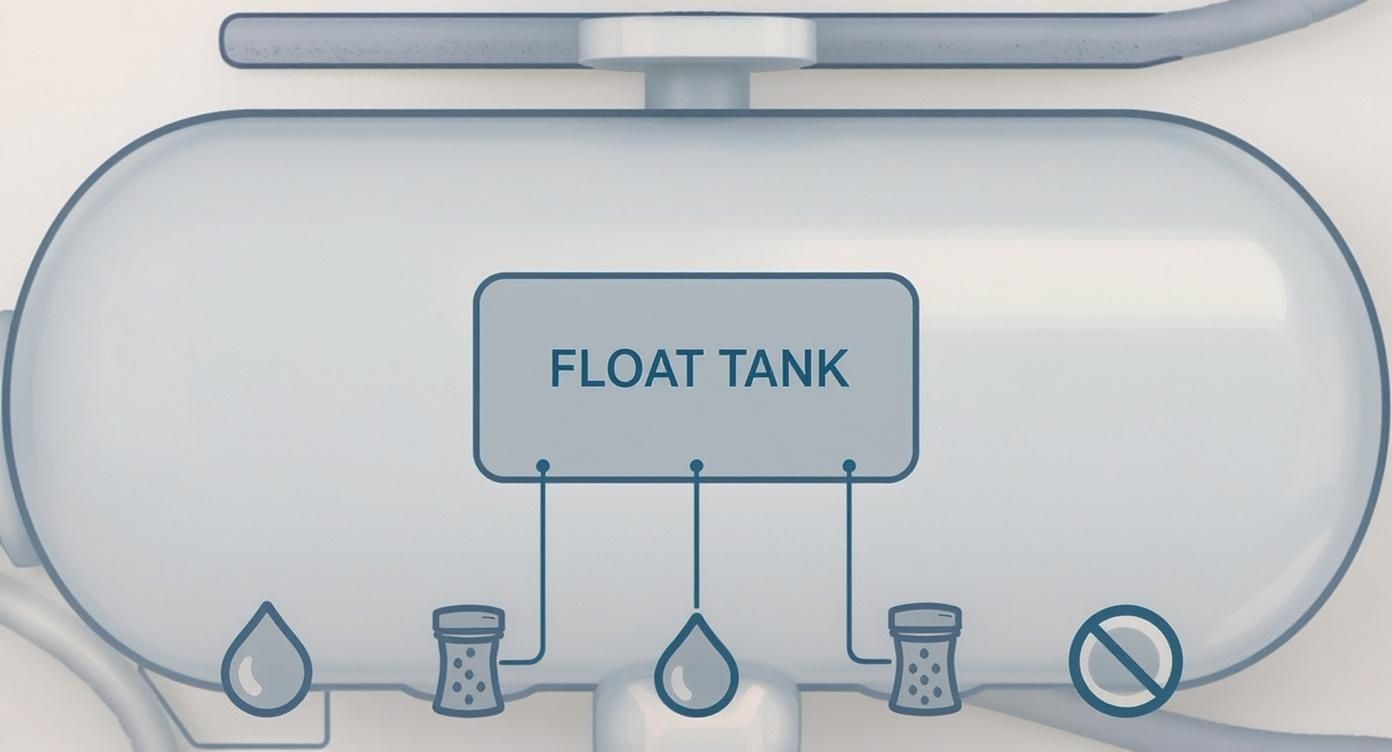
It shows how the carefully managed combination of water, salt, and sensory quiet creates an environment primed for deep relaxation and recovery. It’s this powerful trio working together that turns off the noise of the outside world.
The Role of Magnesium and Silence
Beyond just hormonal shifts, a couple of other key mechanisms are at play. The water is saturated with hundreds of kilograms of Epsom salt, which is magnesium sulphate. It’s believed that your skin can absorb some of this magnesium, a mineral that’s absolutely vital for relaxing muscles, reducing inflammation, and easing tension throughout the body.
This deep physical relief is then amplified by the profound silence. With no sounds to process, the mind can enter a state very similar to deep meditation. Some float centres even offer options like gentle audio guides or specific sound frequencies to ease you into the experience. If you're curious about how sound affects relaxation, you can learn more about how pink noise helps improve sleep in our detailed guide.
This unique combination of physical and mental calm is what makes floating such a legitimate and powerful wellness tool.
Proven Benefits for Mental Health and Stress
In our hyper-connected world, finding a moment of genuine mental silence can feel like chasing a ghost. Floatation therapy offers a rare escape hatch—a way to hit the reset button on a mind that’s constantly juggling notifications, deadlines, and a never-ending to-do list. It creates a unique sanctuary where stress and anxiety don’t just lessen; they can truly dissolve.
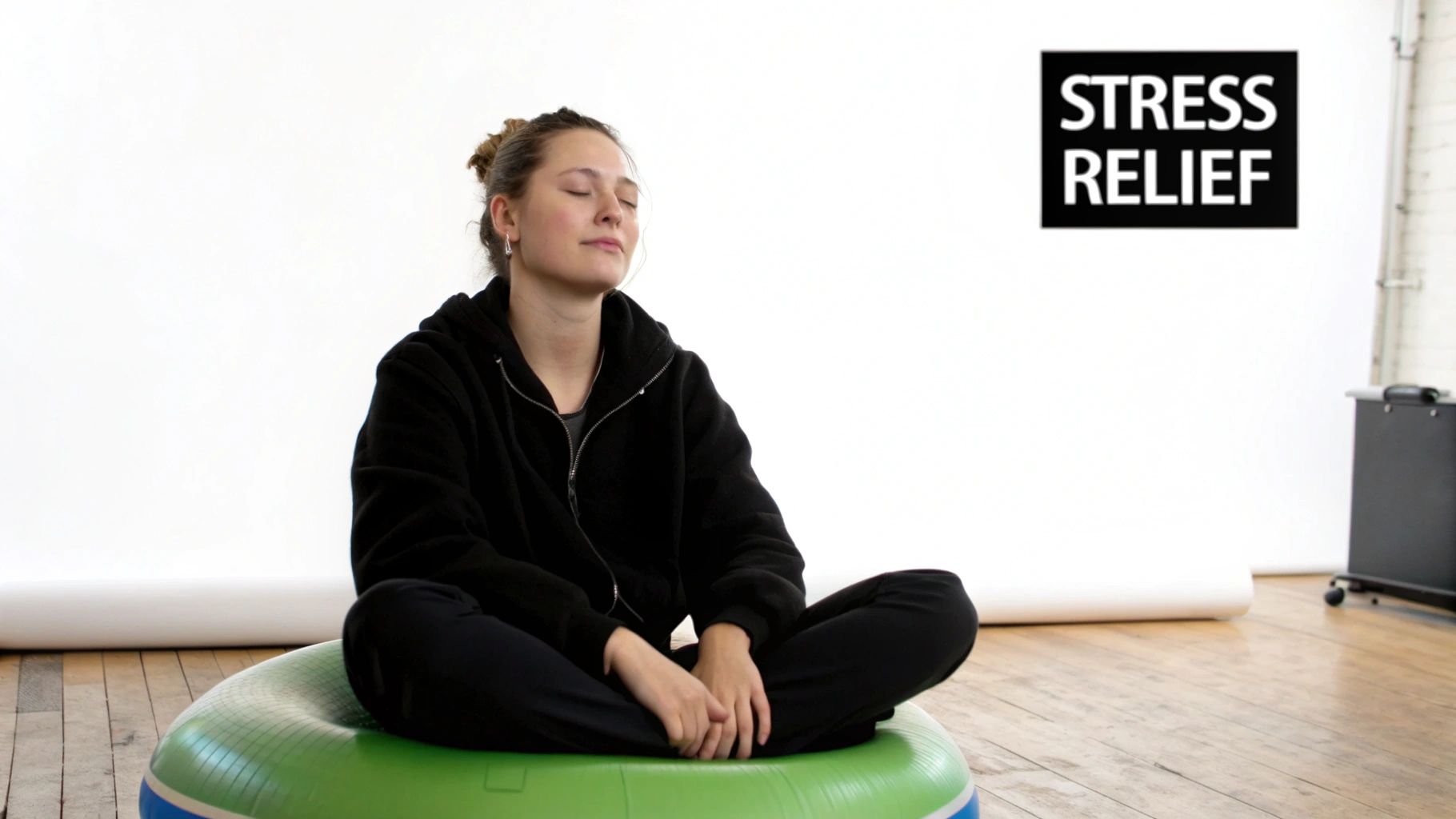
The magic behind floating’s mental health benefits lies in its radical reduction of sensory input. When you take away light, sound, and even the feeling of gravity, you essentially give your brain a break from its main job: processing the outside world. This allows your entire nervous system to shift down from its usual high-alert, 'fight-or-flight' mode into a state of profound calm. That constant mental chatter that fuels so much anxiety? It finally gets a chance to go quiet.
Easing Anxiety and Improving Mood
For anyone wrestling with an anxious mind, the float tank is an incredibly safe and supportive environment. The deep relaxation you experience isn't just a feeling; it triggers a real physiological response, including a significant drop in stress hormones like cortisol. This hormonal shift helps cultivate a more balanced, positive mood that often lingers for days after a single session.
Floating has really taken off in Australia as a serious tool for managing stress, and there's solid science to back it up. One key clinical trial showed that people in the flotation group saw a major drop in stress, depression, and anxiety. To put some numbers on it, their average anxiety score fell from 7.92 to 4.28, and the depression score went from 4.42 to 2.25. If you're keen to dig into the details, you can read the full clinical study.
This really highlights that the benefits of floating aren't just in your head—they show up in measurable, psychological improvements.
By offering a true sanctuary from the world's pressures, floating helps you build mental resilience. It's like it teaches your mind and body what deep relaxation actually feels like, making it easier to tap into that calm state during your everyday life—whether you're dealing with burnout at work or navigating personal challenges.
Fostering Mindfulness and Creativity
The float tank environment is also perfect for practising mindfulness. With zero distractions, your awareness naturally turns inward. It becomes much easier to simply observe your thoughts without getting tangled up in them, which is the very heart of meditation.
This deep introspection often unlocks a flood of creative insights and new ways of looking at problems that are almost impossible to find during a busy day. It’s no surprise that many artists, writers, and entrepreneurs use floating to smash through creative blocks and find fresh inspiration.
Ultimately, the mental benefits of floating all work together:
- Reduced Anxiety: Calms the nervous system by removing perceived threats from the environment.
- Improved Mood: Helps regulate stress hormones, promoting an authentic sense of well-being.
- Increased Mindfulness: Creates the ideal conditions for a meditative state and present-moment awareness.
- Enhanced Creativity: Frees up mental bandwidth, allowing new ideas and solutions to bubble up to the surface.
By giving you a complete break from the noise of the world, floatation therapy offers a direct path to a quieter, clearer, and more resilient mind.
Benefits for Physical Pain and Athletic Recovery
While many people first try floating for the mental quiet, the physical benefits are just as impressive. A session in a float tank can be a powerful way to manage physical pain and boost athletic recovery, as it tackles tension, inflammation, and fatigue from a few different angles.
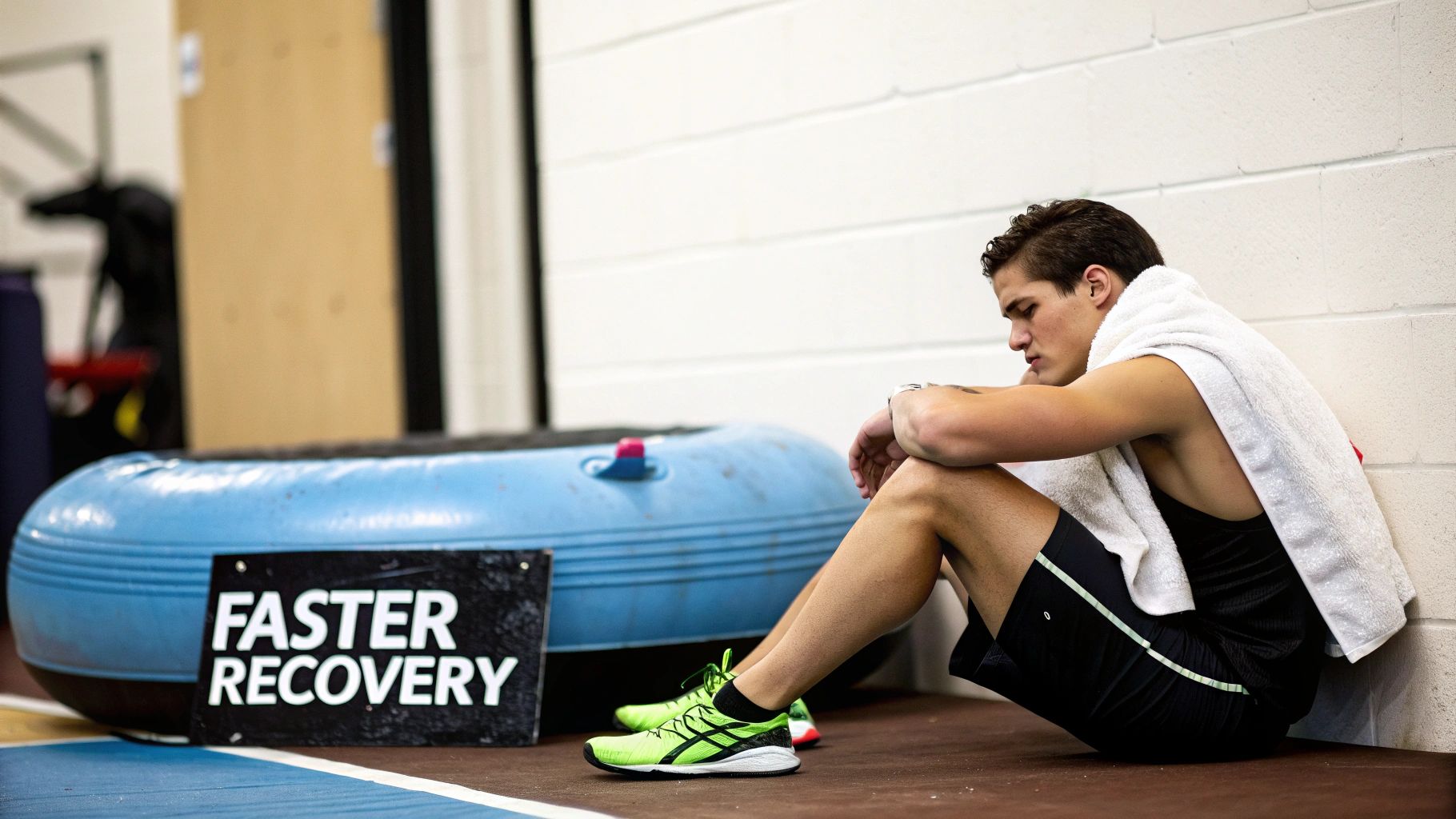
Think about what it would feel like for gravity to just… switch off. That’s essentially what the zero-gravity environment of a float tank creates. For what might be the first time in years, your spine, joints, and muscles are completely free from the constant job of holding you up. This total decompression allows your spine to lengthen and your joints to rest without any pressure at all.
This effect is a massive win for anyone managing chronic conditions. People with fibromyalgia, arthritis, or stubborn back pain often report a level of relief in the tank that’s incredibly hard to find anywhere else.
Soothing Soreness with Magnesium
But the magic doesn’t stop at weightlessness. The water is saturated with hundreds of kilograms of Epsom salt, which is just magnesium sulphate—a mineral compound famous for its anti-inflammatory properties. The theory is that as you float, your skin absorbs some of this magnesium, which then gets to work soothing sore muscles and calming inflammation throughout your body.
This makes floating a game-changer for anyone dealing with muscle aches, whether they’re from a brutal gym session or just chronic tension. If you're exploring drug-free options, it's worth checking out our guide on non-pharmaceutical pain management to see how this fits into a broader approach.
Chronic pain is a widespread issue, affecting a significant portion of the Australian population. The unique combination of sensory isolation and buoyancy in a float tank directly addresses muscle tension and joint pain, making it a compelling therapy for recovery.
A Secret Weapon for Athletes
For athletes, flotation therapy is becoming a bit of a secret weapon for optimising performance and speeding up healing. The deep muscle relaxation you get in the tank helps accelerate recovery by flushing out lactic acid and easing that post-training soreness. This means less downtime and a quicker return to peak condition.
Floating also gives athletes a serious mental edge. It allows them to:
- Sharpen Focus: With zero distractions, it's the perfect space for visualisation and mental rehearsal, getting their mind in the zone for competition.
- Reduce Fatigue: The profound rest you experience helps fight off both physical and mental burnout, restoring energy far more effectively than sleep alone often can.
- Speed Up Healing: Improved blood flow and less inflammation in the weightless environment can help the body recover from minor injuries that much faster.
The results are pretty telling. In Australia, research mirroring findings from the American Float Tank Association (AFTA) shows that 45% of users reported a reduction in chronic pain symptoms. Even better, over 60% experienced better sleep—which is the bedrock of any solid recovery plan. So whether you’re a pro athlete or just trying to manage daily aches and pains, the physical float tank benefits offer a powerful path to feeling better.
Your First Float Session from Start to Finish
https://www.youtube.com/embed/sncdzIBG724
So, you're thinking about trying a float tank? It's totally normal to feel a mix of curiosity and maybe a few butterflies. Knowing what the process is like from start to finish can help ease any nerves and let you sink right into the good stuff.
Let’s walk through what you can expect, from the moment you book to when you step out feeling like a new person.
Your journey into deep relaxation actually starts before you even walk out the door. A little bit of prep can go a long way. I always suggest having a light meal about 60-90 minutes before your float. There’s nothing worse than a growling stomach pulling you out of the zone, but you don't want to feel uncomfortably full either.
It’s also a good idea to skip that afternoon coffee. You’re trying to encourage your nervous system to chill out, and caffeine will be working against you.
Arriving and Getting Ready
When you get to the float centre, the staff will welcome you, give you a quick tour, and show you to your own private room. This space is all yours for the session, complete with the float tank (or pod) and a shower.
First things first: a quick but thorough shower. This is mainly about hygiene—it washes off any natural body oils, lotions, or hair products that could interfere with the tank's water quality. The centre will have everything you need, like shampoo and body wash. After you've rinsed off, pop in the earplugs they provide. This helps keep the salt water out and really amplifies the silence.
What do you wear? Nothing! The best way to float is nude. A swimsuit can bunch up and press against your skin, which becomes a distraction. Remember, you’re in a private room that you can lock from the inside, so it's all about maximising your comfort.
Inside the Float Tank
As you step into the tank, you'll immediately notice the water is the same temperature as your skin. Once you lie back, the buoyancy is incredible—the sheer amount of Epsom salt in the water lifts you up effortlessly. You'll be floating on top like a cork.
The most important thing to remember is that you are in complete control the entire time.
- The Lid: You can leave it wide open, prop it slightly ajar, or close it all the way for the full, immersive experience. It's entirely up to you.
- The Light: There's a small light inside the pod that you can switch on or off with the press of a button.
- Claustrophobia Concerns: This is a common worry, but most people find the opposite happens. The feeling of weightlessness in total darkness can make the space feel boundless and infinite. But if you ever feel uneasy, you can simply open the lid or get out.
Once you’re in and comfortable, the session officially begins. Don't be surprised if your mind is a bit busy for the first few minutes; that's perfectly normal. Just focus on the rhythm of your breath and let the water support you.
When your time is up, gentle music will fade in to let you know. Afterwards, you’ll hop out for another quick shower to rinse all the salt off before getting dressed and floating back out into the world.
How to Make Your Float Benefits Last
That incredible feeling of calm you get after a float session doesn't have to evaporate the second you walk out the door. With a bit of intention, you can weave those float tank benefits right into your daily life, making it a cornerstone of your wellness routine rather than just a one-off treat. It really comes down to consistency and pairing your floats with other simple, mindful habits.
So, how often should you be floating? There's no magic number here—it really depends on what you're hoping to achieve.
Finding Your Floating Rhythm
If you're dealing with chronic pain or navigating a period of high stress, kicking off with one float per week can make a world of difference. This regularity helps the benefits stack up, effectively retraining your nervous system to operate from a calmer baseline. Once you feel a real shift, you can ease into more of a maintenance schedule.
For general wellbeing, managing everyday stress, or just needing a regular mental reset, floating once or twice a month is often the sweet spot. It’s enough to keep stress levels down and hold onto that feeling of clarity and peace.
The real power of float therapy isn't in a single session; it’s in consistency. The benefits build on each other over time, creating a more resilient foundation for your mind and body. That’s where you see the most significant, long-term health improvements.
Bringing the Benefits Home
To stretch the effects of your float even further, you can bring some complementary practices into your everyday life. These small habits help reinforce the deeply relaxed state you find in the tank.
- Mindfulness Meditation: Just five minutes of meditation each day can help you reconnect with that quiet, focused mental space you experienced during your float.
- Digital Detox: Try scheduling short breaks from your screens, especially before bed. Giving your senses a rest from the constant input makes a huge difference.
- Prioritise Sleep Hygiene: A dark, quiet room is non-negotiable for quality sleep. A good sleep mask can be a game-changer, blocking out all light and telling your brain it's time to switch off. You can find some great options in our guide to the best sleep mask in Australia.
The long-term impact of this is backed by solid research. A 2023 Australian clinical trial showed that regular floating led to lasting reductions in both anxiety and body dissatisfaction, with the positive effects still measurable six months later. You can read more about these flotation therapy findings to get a better sense of its staying power.
Got Questions? Let's Dive In
It's completely normal to have a few questions before your first float. Knowing what to expect can help you feel more at ease and get the most out of your session. Let's walk through some of the most common queries that come up for first-timers.
Is the Water Clean?
This is probably the number one question people have, and for good reason! The answer is a resounding yes. Float centres take hygiene incredibly seriously. The water in the pod goes through a rigorous, multi-stage filtration process between every single person.
Think of it like a high-tech swimming pool, but far more advanced. The system typically uses powerful particle filters, UV sterilisation, and often a disinfectant like hydrogen peroxide. On top of that, the water is saturated with around 500 kg of Epsom salt, creating a solution so salty that bacteria and other microorganisms simply can't survive in it. It's an incredibly sterile environment.
Is It Safe to Float While Pregnant?
Floating can be an absolute game-changer for expectant mums. The feeling of weightlessness provides incredible relief from the aches and pressures of pregnancy, especially in the later stages. Taking the load off your back, hips, and feet can feel like pure magic.
That said, it’s always a good idea to have a quick chat with your doctor or midwife before you book a float. This is particularly important if you're in your first trimester or have any specific health concerns. They know your personal situation best and can give you the green light.
What If I Can't Switch My Brain Off?
Welcome to the club! So many people worry they won't be able to quiet their racing thoughts and will "fail" at relaxing. But here’s the secret: you don’t have to force anything. The environment itself does most of the heavy lifting.
The point isn't to achieve a perfectly empty mind. It's about giving yourself a space where you can simply notice your thoughts come and go without getting caught up in them. The sensory quiet naturally guides you toward this state.
If you find your mind is particularly busy when you first get in, try one of these simple tricks:
- Tune into your breathing. Just notice the feeling of the air moving in and out of your body. No need to change it, just observe.
- Scan your body. Mentally travel from your toes up to your head, noticing how each part feels as it's effortlessly supported by the water.
There’s no right or wrong way to float. The real win is just carving out the time for yourself and showing up.
Sometimes you just need a dark, quiet space to hit the reset button. While a float tank is a fantastic way to do this, you can create your own little sensory sanctuary at home. The Headache Cap is a simple but powerful tool for blocking out light and applying gentle cold therapy, helping to calm an overstimulated system. See how it works by exploring our natural relief solutions at https://headachecap.com.au.


